If the term IngeBIM has crossed your path and left you wondering what it truly represents, you’re not alone. The concept is gaining attention in engineering, architecture, and modern infrastructure development. In simple terms, IngeBIM combines engineering principles with Building Information Modeling (BIM) to deliver smarter, more coordinated, and more efficient project workflows.
The name itself blends “Inge” (from ingeniería or engineering) with BIM, reflecting a unified, digital-first method for planning, designing, and managing infrastructure. Whether you’re dealing with highways, residential structures, commercial complexes, or industrial assets, IngeBIM stands at the center of today’s digital transformation in the built environment.
Why IngeBIM Is Becoming Essential
IngeBIM is not just another technical phrase it represents a shift in how projects are conceived and executed. Here’s why industries are adopting it at a rapid pace:
1. Improved Coordination Across Teams
Large-scale infrastructure projects involve multiple disciplines. Using shared data environments under the IngeBIM framework ensures each team works with accurate, updated information. This reduces conflict, accelerates approvals, and minimizes costly redesigns.
2. Data-Enriched Modeling
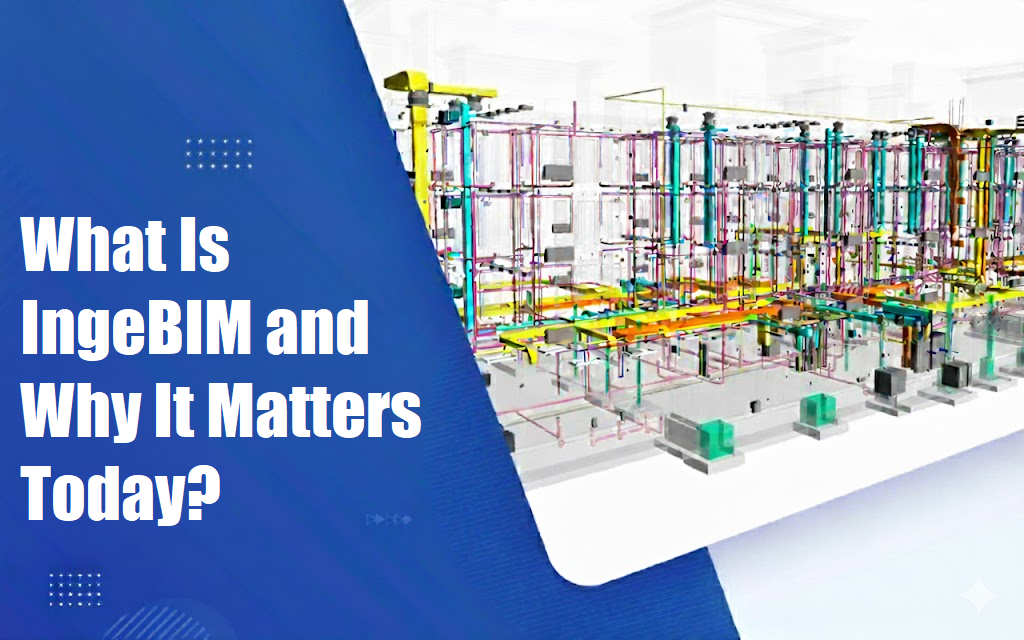
Traditional 2D drawings have limitations. With IngeBIM, models evolve into 3D, 4D, or even 5D digital environments that include materials, cost estimates, schedules, and maintenance data. This enables better planning and more informed decisions.
3. Higher Efficiency and Quality
Digital-first workflows reduce delays, eliminate ambiguities, and enhance precision. The outcome is improved project quality and stronger long-term performance.
How IngeBIM Works Step-by-Step
In practice, IngeBIM operates like a structured digital ecosystem built around engineering workflows. Here’s a simplified breakdown:
Step 1: Early Planning and Setup
Teams define BIM goals, levels of detail, and modeling requirements. This foundation guides the entire project.
Step 2: Capturing Existing Conditions
Laser scanning, drones, and survey data are merged into a comprehensive base model that accurately reflects the site.
Step 3: Multidisciplinary Design
Structural, mechanical, electrical, and civil teams create discipline-specific models. These are coordinated within a shared digital space to detect clashes and refine designs.
Step 4: Construction and Delivery
BIM models support accurate documentation, scheduling, procurement, and progress tracking. When completed, the final model becomes a digital asset for operational use.
Step 5: Continuous Feedback
IngeBIM embraces ongoing improvement. Insights from each project feed into better strategies for future work.
Key Services Offered Through IngeBIM
IngeBIM extends beyond digital modeling it provides a full suite of integrated solutions tailored for modern engineering needs.
1. Advanced 3D Modeling and Visualization
Precision-rich 3D models help stakeholders understand design intent clearly before construction begins. This reduces uncertainty and aligns expectations across all teams.
2. Streamlined Project Coordination
Using centralized BIM systems, IngeBIM enhances communication between architects, engineers, and contractors. This significantly reduces clashes and rework.
3. Digital Twin Development
Digital twins offer real-time insight into how structures perform over their lifecycle. This supports facility management, maintenance planning, and operational optimization.
4. Training and Implementation Support
IngeBIM helps companies adopt BIM by providing structured training and onboarding. This ensures smooth transitions from traditional workflows to digital environments.
IngeBIM in Residential and Commercial Projects
One strength of IngeBIM is its flexibility across different project scales.
Residential Applications
In housing developments, IngeBIM enhances layout accuracy, resource planning, and energy performance. It ensures efficient construction and long-term sustainability.
Commercial and Industrial Projects
In offices, factories, hospitals, and public buildings, IngeBIM integrates HVAC, electrical, plumbing, and structural elements into a single coordinated model. This eliminates conflicts and supports safer, more efficient construction.
IngeBIM’s Role in Global Construction Trends
Governments and major organizations are increasingly mandating BIM for infrastructure development. IngeBIM contributes by offering reliable, standardized digital solutions aligned with international expectations.
Its capabilities support:
-
Sustainable building design
-
Cost-efficient execution
-
Better compliance with global standards
-
Stronger long-term asset performance
As the industry shifts toward intelligent infrastructure, IngeBIM positions companies at the forefront of innovation.
Why IngeBIM Matters Today
The world is moving quickly. Industries need reliable digital frameworks to stay competitive. IngeBIM delivers:
-
Adaptability across sectors
-
Team-centric collaboration
-
Data-backed decisions
-
Innovation that matches real-world challenges
Benefits of IngeBIM
-
Reduces design errors
-
Enhances communication
-
Improves accuracy in models
-
Saves cost and time
-
Supports long-term sustainability
Challenges in Adopting IngeBIM
Despite its advantages, some challenges exist:
-
Initial investment in software and training
-
Resistance from teams used to traditional methods
-
Technical complexity in implementing BIM
-
Data management requirements
-
Need for consistent standards
With proper planning and gradual integration, these challenges can be overcome.
MCQs on IngeBIM
-
IngeBIM represents:
b) A forward-thinking approach blending technology, innovation, and efficiency -
At the core of IngeBIM’s services is:
b) Advanced 3D modeling and visualization -
IngeBIM improves project coordination by:
c) Using centralized BIM systems that reduce clashes -
Digital twins in IngeBIM are used for:
b) Creating virtual replicas that monitor performance and maintenance -
In residential projects, IngeBIM helps by:
b) Improving design accuracy and energy performance
Final Words
IngeBIM is shaping the future of engineering and construction by merging digital intelligence with practical expertise. From modeling to coordination, training to long-term asset management, its impact covers every stage of a project’s lifecycle. As industries embrace digital transformation, IngeBIM emerges as a vital tool for achieving efficiency, sustainability, and innovation.
Whether applied to residential developments, large infrastructure, or industrial facilities, IngeBIM provides a structured pathway to smarter and more resilient project delivery. Its influence will only grow as technology continues to redefine how the world designs and builds.