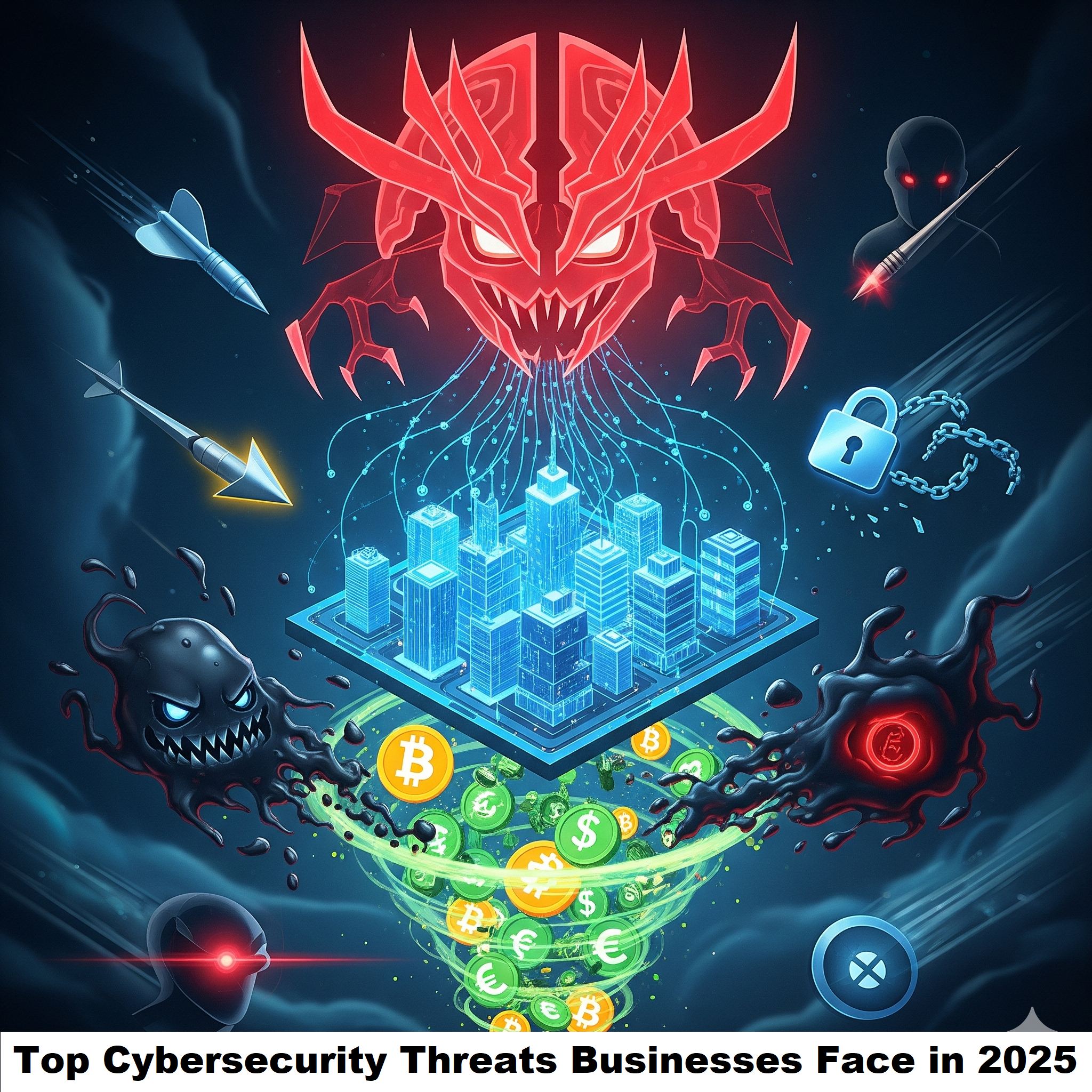
As corporations transition deeper into a digital-first world, the demanding situations of defensive touchy statistics, making sure compliance, and safeguarding customer consider are getting increasingly complicated. In 2025, the cybersecurity panorama is extra unstable than ever, with attackers leveraging AI, quantum studies, deepfake technology, and complex ransomware to disrupt corporations. Companies that fail to undertake a proactive protection posture danger excessive financial, operational, and reputational harm.
This article explores the pinnacle cybersecurity threats companies face in 2025 and descriptions powerful techniques to fight these evolving dangers.
The Evolving Cybersecurity Landscape in 2025
The speedy adoption of cloud offerings, IoT devices, and remote-first infrastructure has created new access points for cybercriminals. Traditional protection perimeters have dissolved, making it important for agencies to suppose beyond outdated equipment. Attackers are the use of AI-pushed equipment to automate breaches, create hyper-realistic phishing schemes, or even generate synthetic identities that pass authentication structures.
Key Cybersecurity Threats to Watch in 2025
AI-Powered Attacks
Artificial Intelligence is not only a tool for protection it’s far a weapon within the hands of cybercriminals. In 2025, attackers are:
- Generating convincing phishing emails tailor-made to precise personnel.
- Using AI to craft deepfake audio and video to impersonate executives.
- Automating community reconnaissance and vulnerability scanning.
Businesses should counter those attacks with AI-pushed detection structures, anomaly tracking, and multi-layered authentication strategies.
Sophisticated Ransomware Campaigns
Ransomware dominates one of the most devastating cyber security threats. In 2025, attackers use double blackmail strategy -descriptive files, and threaten to leak quickly sensitive data. Sky environments are the most important goals, as many organizations store their most important data there.
The best practice for defense includes:
- Regular backline backup to ensure recovery.
- Zero Trust Framework to limit the attacker movement.
- The simulated ransomware drills to test the reaction flexibility.
Deepfake Fraud and Synthetic Identity Scams
The upward push of deepfake era has made impersonation attacks dangerously powerful. Cybercriminals are the use of AI-generated voices and films to trick finance groups into authorizing fraudulent twine transfers or sharing private facts.
Organizations ought to spend money on identity verification technologies, employee education, and strict verification protocols for sensitive requests.
Supply Chain Vulnerabilities
Attackers recognize that targeting third-birthday celebration providers often gives a backdoor into organization structures. From software program updates to hardware additives, the deliver chain remains a vulnerable hyperlink in cybersecurity.
Businesses should require providers to conform with strict safety audits, implement least-privilege get right of entry to, and constantly display companion networks for anomalies.
Cloud Security Risks
The comfort of the cloud comes with huge dangers. Misconfigured storage buckets, susceptible authentication, and insecure APIs expose sensitive information to attackers. In 2025, cybercriminals are exploiting those vulnerabilities extra aggressively.
Key measures to deal with cloud dangers encompass:
- Cloud-native protection gear for real-time monitoring.
- Data encryption at rest and in transit.
- Regular configuration critiques to save you unintended publicity.
Insider Threats
Not all risks come from outside the corporation. In 2025, insider threats—both malicious and unintentional—are growing. An employee misconfiguring a device or falling for a phishing assault will have devastating effects.
To mitigate insider dangers, companies should:
- Implement least-privilege get entry to regulations.
- Monitor consumer hobby through behavioral analytics.
- Conduct regular attention education.
IoT Exploits
The growing number of Internet of Things devices in offices, factories, and supply chains has opened new attack surfaces. From smart thermostats to connected printers, many IoT devices lack robust security.
Organizations should:
- Enforce strict network segmentation for IoT devices.
- Apply firmware updates promptly.
- Disable unnecessary connectivity features.
Quantum Computing Threats
While massive-scale quantum computers are nonetheless emerging, “harvest now, decrypt later” assaults are already underway. Attackers scouse borrow encrypted statistics today, with the aim of breaking it while quantum decryption turns into viable.
Forward-looking businesses should start exploring submit-quantum cryptography, ensuring lengthy-term protection of sensitive records.
How Businesses Can Protect Themselves in 2025
Adopt Multi-Layered Security
Deploy multi-factor authentication (MFA), advanced endpoint detection, and Zero Trust architectures to reduce attack surfaces.
Strengthen Data Backup Strategies
Implement redundant backups stored in offline and cloud environments to recover quickly from ransomware attacks.
Segment Networks for Damage Control
If one system is breached, segmentation ensures attackers cannot easily spread across the organization.
Invest in Employee Cybersecurity Training
Human error remains the leading cause of breaches. Educating employees to spot phishing attempts, social engineering tactics, and insider risks is essential.
Evaluate Third-Party Vendor Security
Vendors must be vetted for security compliance and access must be restricted to only what is necessary.
Prepare for Emerging Technologies
Businesses should anticipate AI-driven threats and explore quantum-safe encryption to protect against future risks.
Stay Informed and Compliant
Regularly update systems, stay ahead of compliance regulations, and monitor new cyber threat intelligence feeds.
The Cybersecurity Market in 2025
The global cybersecurity market in 2025 is projected to exceed $250 billion, driven by increased demand for AI-powered security tools, cloud protection, and identity management solutions. Businesses investing in these technologies will be better positioned to protect themselves and maintain customer trust.
Major Cybersecurity Events in 2025
Several global cybersecurity events in 2025 will bring together experts, vendors, and organizations to address these evolving threats. These events provide critical opportunities for businesses to learn, network, and adopt cutting-edge technologies.
Top IT Security Threats to Prepare for in 2025
- AI-powered cyberattacks concentrated on businesses with automated precision.
- Ransomware campaigns leveraging double and triple extortion.
- Deepfake and artificial identity fraud compromising economic and govt operations.
- Supply chain exploits through 0.33-celebration vulnerabilities.
- Cloud protection misconfigurations leading to big statistics leaks.
Conclusion
The 12 months 2025 brings with it unprecedented cybersecurity demanding situations. Organizations ought to recognize that attackers are evolving quicker than ever and most effective a proactive, layered, and adaptive protection strategy will make certain resilience. From AI-pushed fraud to quantum dangers, groups should put together these days to stay included the next day.
More Information about Cybersecurity Threats!