In today’s digital world, effective IT management is the backbone of any successful organization. This guide covers everything from the basics of information technology management to practical tips, tools, and future trends. Whether you run a small business or a large enterprise, you’ll find actionable insights to improve efficiency, reduce costs, and stay ahead of challenges.
What Is IT Management and How It Works
IT management is the process of planning, organizing, and overseeing all technology resources to support business goals. It ensures systems are secure, reliable, and aligned with company needs.
At its core, IT management works in a continuous cycle:
- Assess current technology and business objectives
- Plan strategies and allocate resources
- Implement solutions and monitor performance
- Review results and make improvements
This cycle keeps technology running smoothly while adapting to new demands.
Key Areas of IT Management
IT Service Management
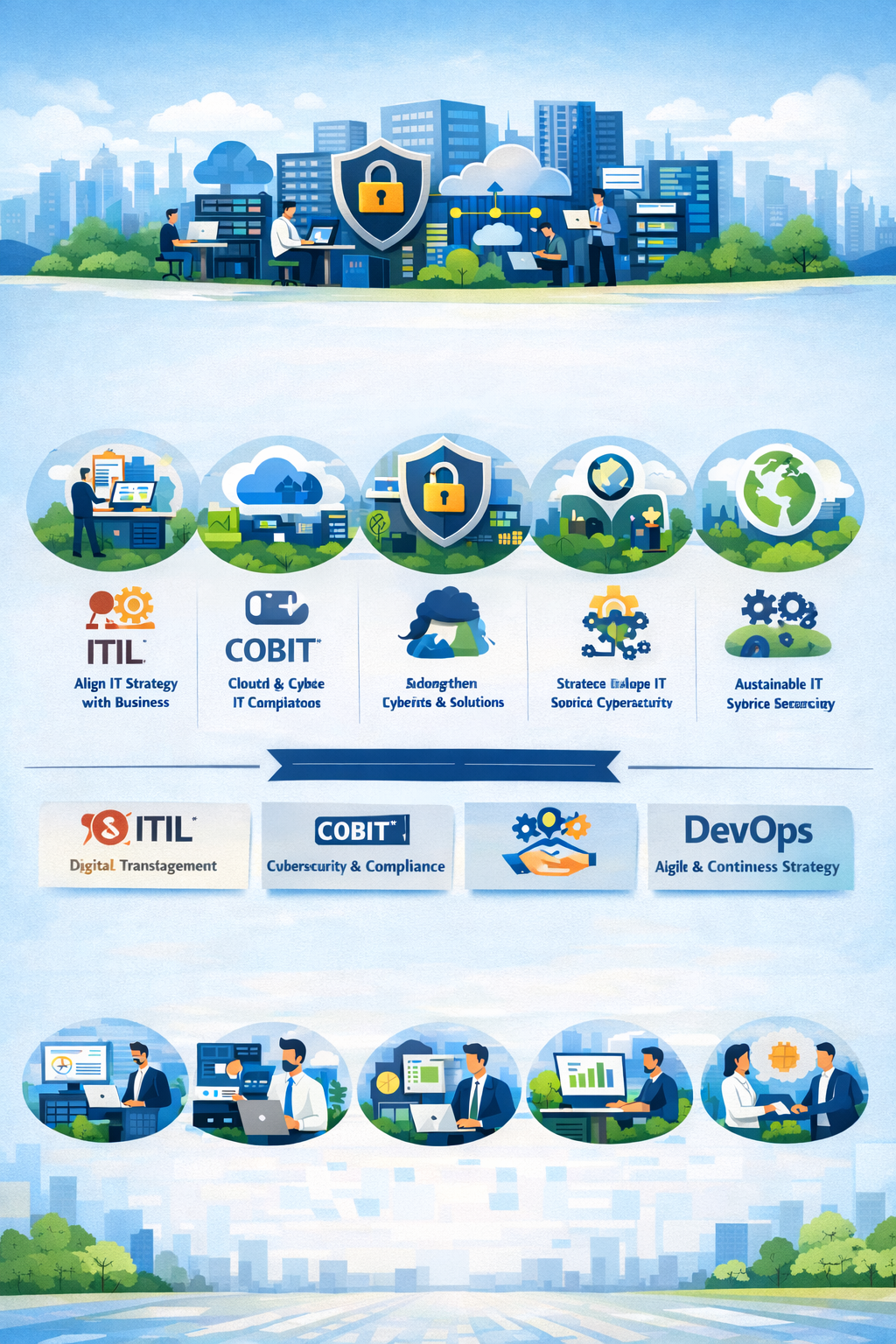
Focuses on delivering and supporting IT services to employees and customers (often using the ITIL framework).
IT Infrastructure Management
Manages hardware, networks, servers, and data centers to prevent downtime.
IT Operations Management
Handles daily tasks like system monitoring, backups, and incident response.
IT Asset Management
Tracks software and hardware from purchase to retirement to control costs and ensure compliance.
Digital and Enterprise IT Management
Integrates online tools across the organization and scales solutions for large, complex environments.
IT Systems Management
Ensures all software and systems work together without conflicts.
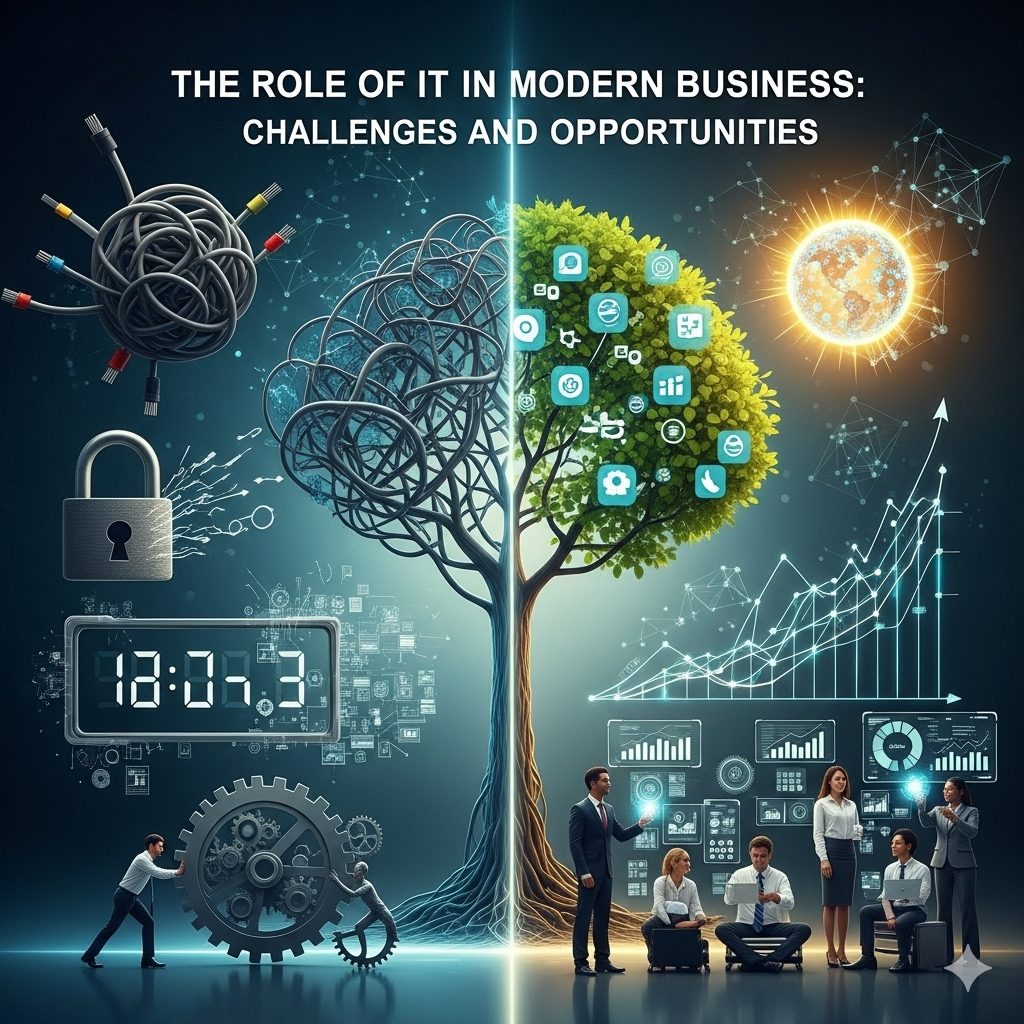
Main Benefits and Challenges of Effective IT Management
Key Benefits
- Lower costs through optimized resources
- Stronger security to protect sensitive data
- Higher productivity with reliable systems
- Better alignment between IT and business goals
Common Challenges
- Keeping up with rapid technology changes
- Limited budgets and skilled staff
- Managing security threats and remote teams
- Integrating new tools with legacy systems
Solutions Adopt clear strategies, automate routine tasks, and invest in training.
How to Build an Effective IT Management Strategy
- Gather input from all departments
- Define clear business and technology goals
- Assess current systems and risks
- Choose the right tools and partners
- Set measurable KPIs and review quarterly
Following these steps creates a roadmap that grows with your company.
Best Practices for Modern IT Management
- Use agile methods for faster project delivery
- Prioritize cybersecurity at every level
- Automate repetitive tasks (backups, updates, alerts)
- Monitor performance in real-time
- Regularly train your team on new tools and threats
Tools Used in IT Management
- Project management: Jira, Trello, Microsoft Project
- Automation: Ansible, Puppet, Terraform
- Monitoring: SolarWinds, Nagios, Prometheus
- Cloud management: AWS Console, Azure Portal, Google Cloud Operations
- Helpdesk: Zendesk, ServiceNow, Freshdesk
Cloud-Based IT Management Solutions
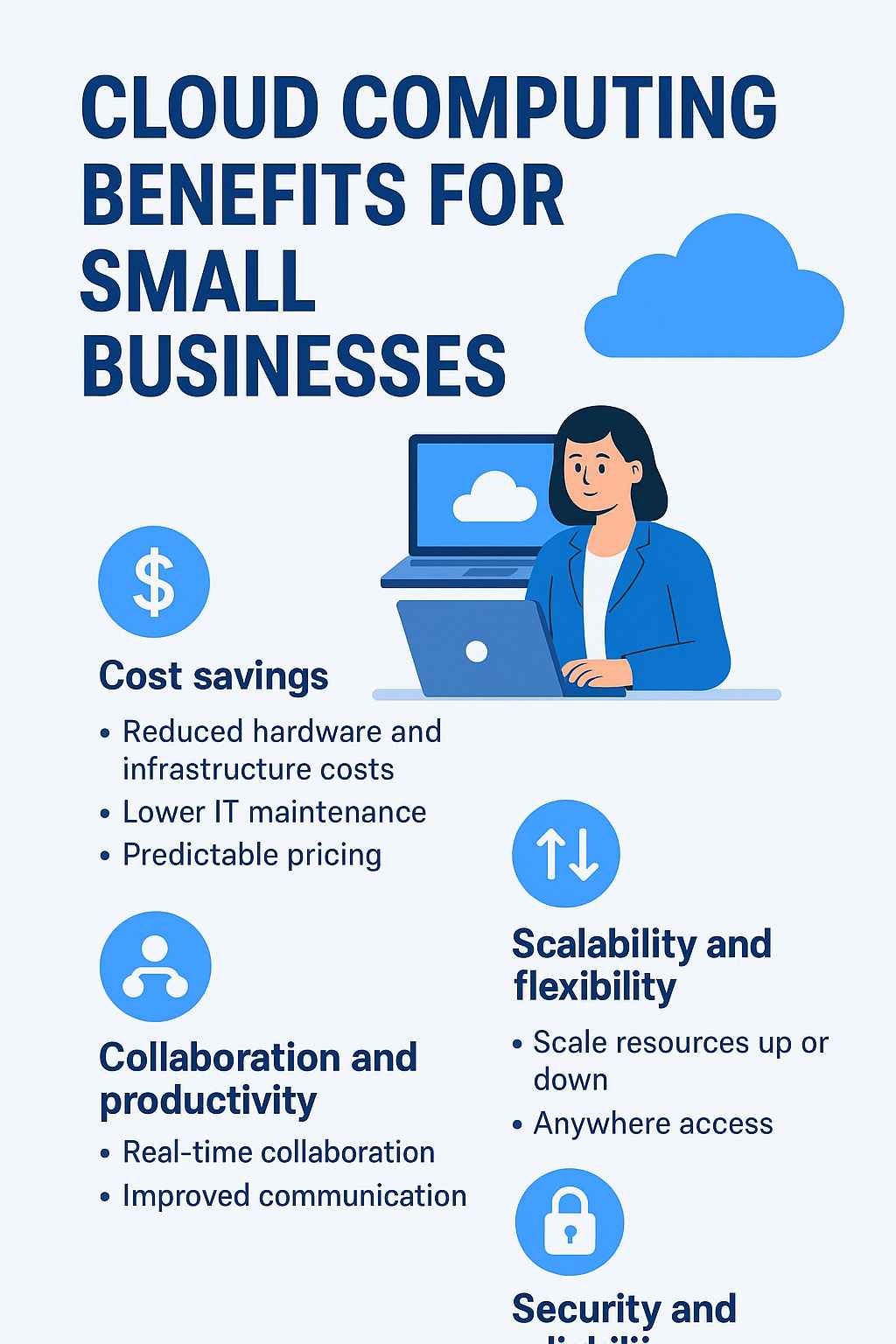
Cloud platforms like Microsoft Azure, AWS, and Google Cloud let you manage everything remotely. Benefits include lower upfront costs, automatic updates, and easy scaling—perfect for growing businesses.
IT Management Tips for Small Businesses
- Start with affordable cloud services
- Outsource complex tasks to managed IT service providers
- Use free or low-cost tools (Google Workspace, Zoho)
- Focus on security basics: strong passwords, backups, antivirus
- Train one person to handle daily IT needs
Improving IT Team Productivity and Performance
- Set clear goals and KPIs
- Use collaboration tools (Slack, Microsoft Teams)
- Encourage work-life balance to avoid burnout
- Provide regular training and certifications
- Celebrate wins to keep morale high
Step-by-Step IT Infrastructure Management Guide
- Inventory all hardware, software, and network devices
- Assess performance and security gaps
- Plan upgrades or cloud migrations
- Set up automated monitoring and alerts
- Review and optimize every 6 months
Differences Between IT Management and IT Governance
- IT Management: Day-to-day operations, execution, and support
- IT Governance: Rules, policies, and decision-making frameworks (e.g., COBIT) to ensure compliance and value
Both work together for success.
Is IT Management a Good Career?
Yes! It offers high demand, excellent salaries, and diverse roles from helpdesk to CIO. Certifications like ITIL, PMP, and CISSP boost your prospects.
IT Management vs Software Engineering
- IT Management: Strategy, team leadership, budgeting, operations
- Software Engineering: Coding, building applications, testing
Many professionals move between the two paths.
Common IT Management Challenges
- Budget constraints
- Cybersecurity threats
- Remote team coordination
- Legacy system integration
How to Manage Remote IT Teams
- Use secure VPNs and collaboration tools
- Schedule daily stand-ups and weekly reviews
- Set clear expectations and response times
- Build trust through transparent communication
The Future of IT Management
Expect more automation, AI-driven insights, edge computing, and zero-trust security. Tools will predict issues before they happen, freeing teams for strategic work.
AI in IT Management
AI already powers:
- Automatic anomaly detection
- Predictive maintenance
- Chatbots for first-level support
- Smart resource allocation
Tools like Splunk and IBM Watson lead the way.
IT Management for Startups
Keep it lean:
- Use cloud from day one
- Choose scalable, low-cost tools
- Automate early
- Partner with managed service providers when needed
IT Budget Management Tips
- Prioritize spending based on business impact
- Track ROI for every tool and service
- Negotiate annual contracts with vendors
- Keep a reserve for emergencies
- Review expenses monthly
Final Thoughts
Mastering IT management is about balancing people, processes, and technology. By following the strategies, tools, and best practices in this guide, any business—large or small—can build a reliable, secure, and efficient IT environment. Start with a clear strategy, embrace automation and cloud solutions, and keep your team skilled and motivated. The result? Lower costs, happier users, and a stronger competitive edge in a digital world.