Introduction:
In modern engineering and automation, the race for higher efficiency, precision, and sustainability drives every advancement. As industries depend more on air-driven technologies—from factory automation to robotics traditional pneumatic systems are revealing their limits. High energy loss, friction-related wear, and inconsistent performance often reduce their effectiveness over time.
This is where Tribupneu enters as a transformative concept. The term “Tribupneu” is a combination of tribology (the study of friction, lubrication, and wear) and pneumatics (the use of compressed air to produce motion). Together, they form a new interdisciplinary approach that enhances motion control by addressing the frictional and mechanical challenges within pneumatic systems.
Tribupneu is not simply a technology it’s a new engineering philosophy. By merging the science of motion with intelligent lubrication and control, it redefines how pneumatic systems operate, extending their life, improving efficiency, and aligning them with global sustainability goals.
Understanding Tribupneu: A New Era in Motion Technology
Tribology focuses on interactions between moving surfaces—how friction, lubrication, and wear affect their performance. Pneumatics, on the other hand, harnesses compressed air to generate motion and power machinery.
When these two fields converge, Tribupneu emerges as a new generation of motion control systems designed to make air-powered mechanisms smarter and more durable. It incorporates advanced coatings, intelligent sensors, and eco-friendly lubricants to ensure that components such as actuators, valves, and seals operate smoothly with minimal energy loss.
This hybrid approach revolutionizes pneumatic performance by ensuring continuous lubrication, predictive monitoring, and self-optimizing control—three pillars of modern automation efficiency.
The Science Behind Tribupneu
Tribupneu functions by controlling both surface interaction and air dynamics simultaneously. Its core mechanisms include:
-
Friction Reduction and Surface Protection
Specialized tribological coatings and synthetic lubricants form protective layers that minimize direct metal contact. This drastically reduces wear, extending the service life of critical components. -
Adaptive Airflow and Smart Efficiency
Equipped with sensors and real-time control algorithms, Tribupneu systems monitor friction and air pressure levels. When resistance increases, the system automatically adjusts airflow or lubrication delivery to maintain peak performance. -
Moisture and Corrosion Resistance
Moisture buildup is a major challenge in pneumatic systems. Tribupneu’s formulations include water-repellent barriers that protect internal parts from corrosion and rust. -
Seal Durability Enhancement
The system prevents rubber and polymer seals from deteriorating under pressure, ensuring longer operational stability and preventing costly air leaks.
Benefits of Tribupneu
1. Extended Equipment Lifespan
With minimal wear, pneumatic components last significantly longer, often tripling the lifespan of traditional systems.
2. Superior Energy Efficiency
By lowering friction and optimizing air usage, Tribupneu reduces the compressor workload—cutting energy consumption and operational costs.
3. Consistent and Precise Performance
The constant lubrication film and intelligent airflow management allow smoother and quieter operation, ideal for robotic and precision-based tasks.
4. Reduced Maintenance Costs
Less wear and fewer breakdowns translate to reduced downtime and maintenance expenses.
5. Environmentally Friendly Operation
Tribupneu utilizes eco-safe lubricants and relies on compressed air rather than hydraulic fluids, aligning with sustainable engineering practices.
Industrial Applications of Tribupneu
Robotics and Automation
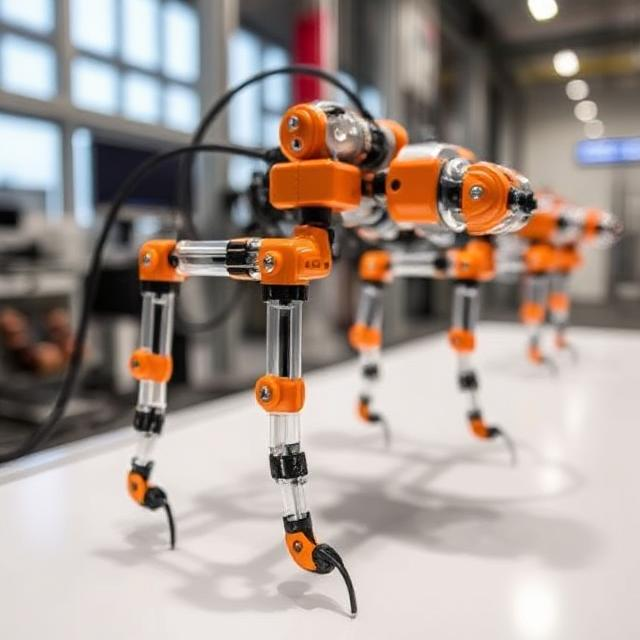
Tribupneu enables robotic systems to move more fluidly, mimicking human-like precision while consuming less energy.
Automotive Manufacturing
Production lines benefit from faster, more reliable actuators that maintain consistent performance, improving overall productivity.
Aerospace Engineering
Lightweight and efficient, Tribupneu enhances pneumatic systems in aircraft where precision, reliability, and safety are critical.
Healthcare and Prosthetics
In medical applications, Tribupneu improves control and responsiveness in prosthetic limbs and rehabilitation devices, enhancing patient comfort.
Heavy Industry and Metalworking
In industrial tools, Tribupneu ensures consistent pressure control, reduced wear, and optimal lubrication even under extreme conditions.
The Role of Smart Technology in Tribupneu
The modern iteration of Tribupneu integrates sensors and artificial intelligence to elevate system performance. Sensors continuously monitor pressure, temperature, and frictional data, feeding it into an AI-based control system.
This allows predictive maintenance, where potential failures are detected before they occur. The AI can adjust lubrication rates and airflow in real-time, maintaining optimal operating conditions without human intervention.
Such intelligence transforms pneumatic systems from passive mechanical setups into active, self-regulating ecosystems capable of learning, adapting, and preventing performance degradation.
The Evolution and Limitations of Traditional Pneumatics
Historically, pneumatic systems date back to ancient civilizations that used air pressure in tools like water clocks. By the Industrial Revolution, pneumatics powered machines efficiently but were still limited by friction losses, high maintenance, and lack of precision.
Over time, as industries demanded smarter automation, it became clear that conventional systems couldn’t meet the growing standards of reliability, sustainability, and adaptability. Tribupneu arose as the solution combining modern materials science and tribological expertise to overcome these historical shortcomings.
Challenges and Considerations
Despite its advantages, Tribupneu’s adoption faces several challenges:
-
High Initial Costs: The integration of smart materials and sensors increases upfront expenses.
-
Training Requirements: Skilled technicians are needed to manage and optimize Tribupneu systems.
-
Standardization Issues: The industry lacks uniform standards for Tribupneu-compatible components.
-
Material Compatibility: Varying environmental conditions can affect the performance of coatings and lubricants.
However, as research and development continue, these barriers are expected to diminish, paving the way for broader industrial adoption.
Future Outlook of Tribupneu
The future of Tribupneu lies in the integration of advanced materials, eco-friendly lubricants, and AI-driven optimization. Lighter composites and smart coatings could further reduce energy loss, while machine learning algorithms will refine predictive maintenance to near perfection.
Its adaptability positions Tribupneu as a cornerstone technology for the next generation of automation, where intelligent systems self-monitor and self-correct to achieve unmatched reliability. As industries move toward sustainable and data-driven manufacturing, Tribupneu will likely become a defining standard in pneumatic innovation.
Conclusion
Tribupneu represents a milestone in the evolution of motion control merging tribology’s precision with pneumatics’ versatility. By reducing friction, conserving energy, and introducing intelligent control, it reimagines what pneumatic systems can achieve.
From robotics and aerospace to healthcare and manufacturing, Tribupneu enhances performance, reliability, and sustainability. More than a technological upgrade, it’s a vision for the future where machines not only move efficiently but think and adapt dynamically.
As industries embrace this fusion of science and engineering, Tribupneu stands as a symbol of intelligent innovation, driving the next era of mechanical efficiency and eco-conscious progress.